Skip to content

Species

Trout

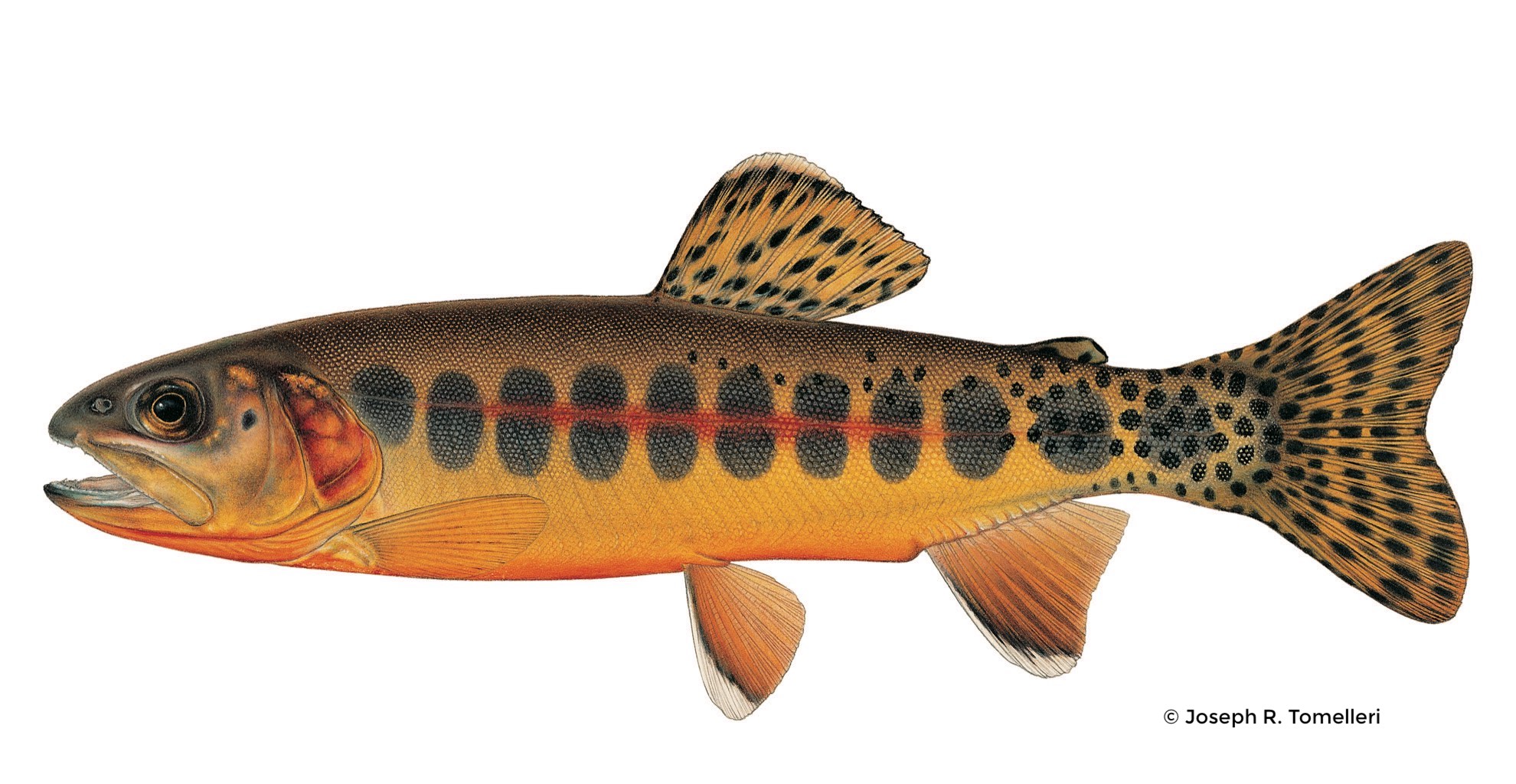
Golden Trout

Golden Trout

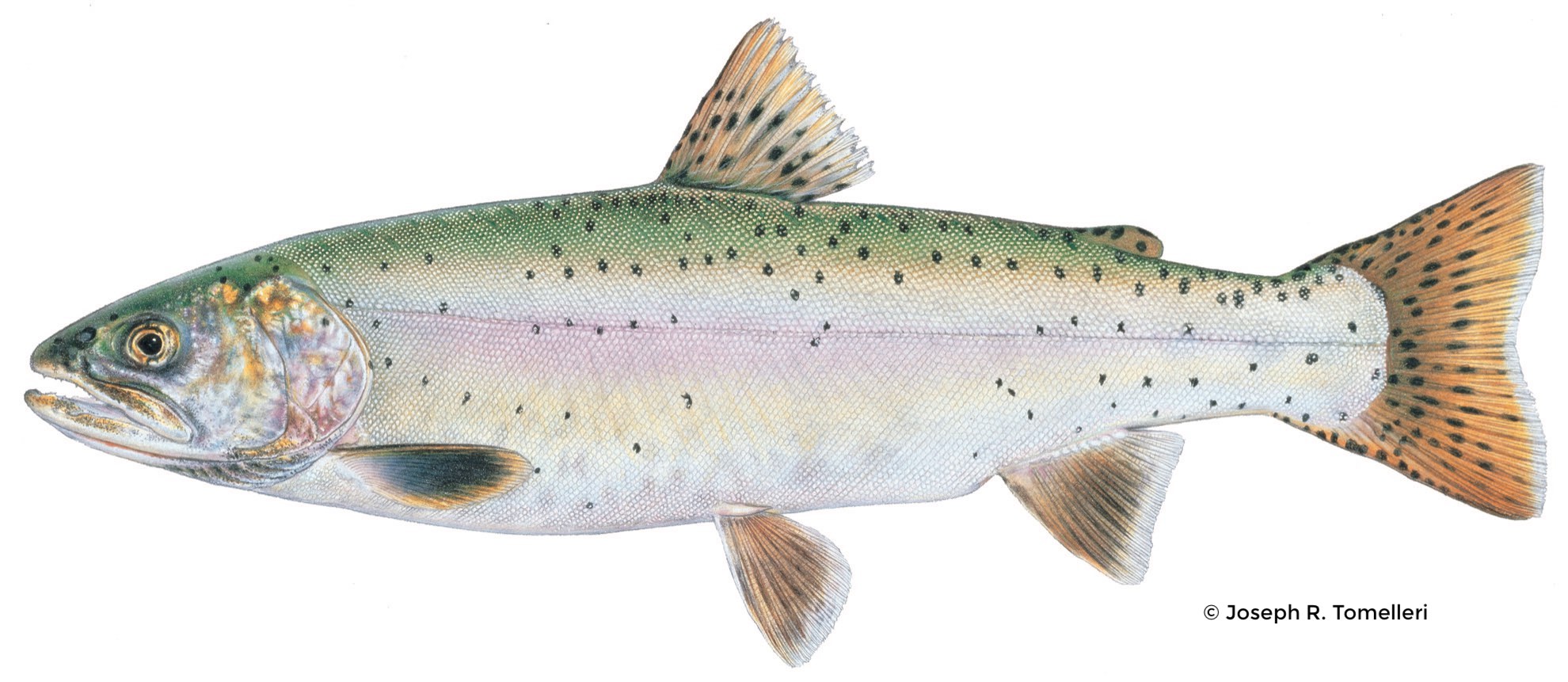
  • Description: The brilliantly colored golden trout is native to high-altitude streams in the southern Sierra Nevada.
  • Diet: Primarily aquatic insects such as mayflies and midges.
  • Beheavior: Spawns in late spring to early summer when water temperatures rise.
  • Current Range: Limited to parts of the Sierra Nevada; introduced populations in some nearby waters.
  • Habitat Preference: Typically found in alpine streams at elevations above 8,000 feet.
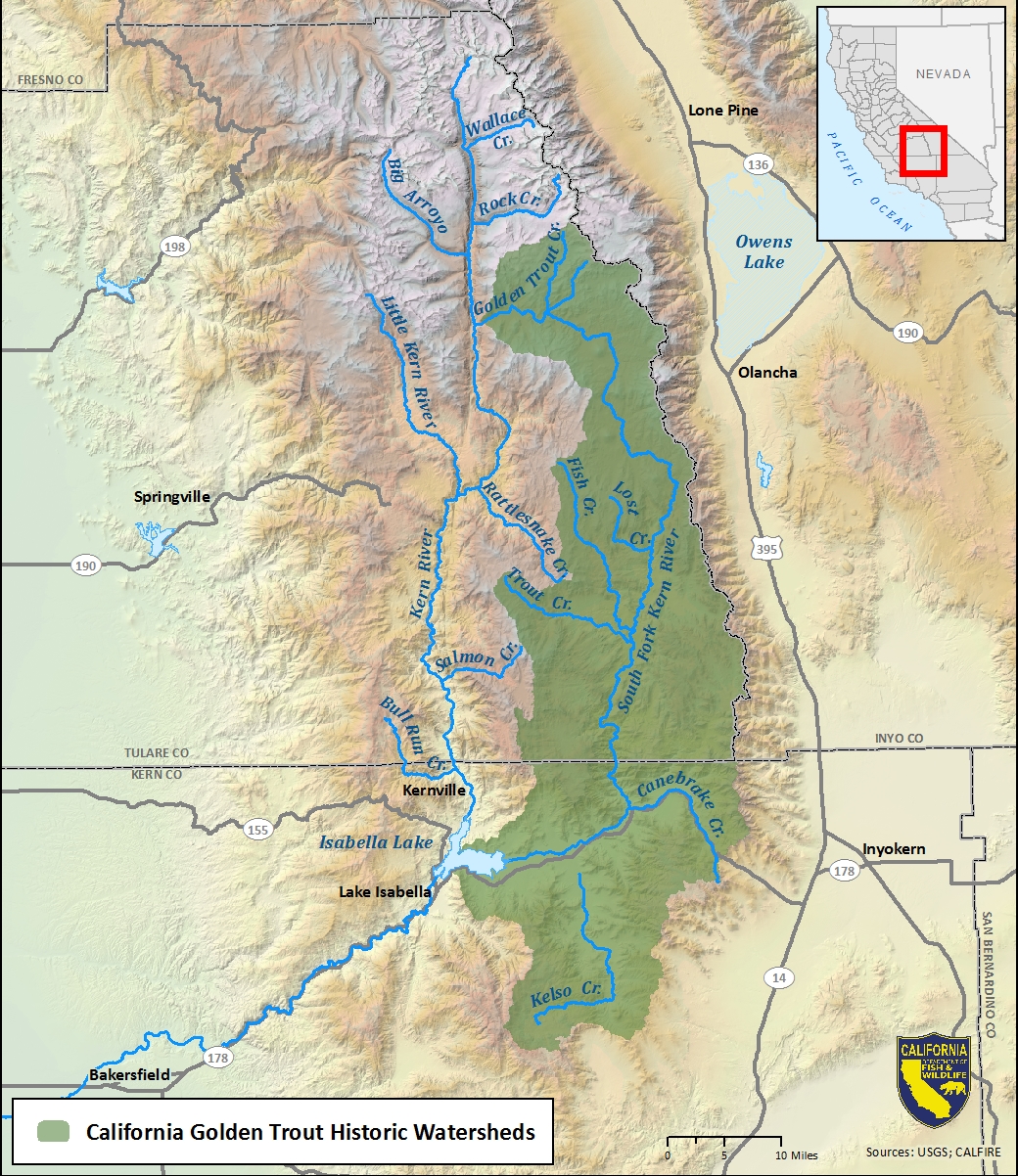
  • Historic Range: Kern Plateau, California (tributaries of the Kern River).
  • Conservation Status: Threatened due to habitat degradation and hybridization with rainbow trout.
  • Threats: Hybridization with rainbow trout and habitat loss.
  • More Information:
  • CDFW Golden Trout
  • CDFW Golden Trout Historic Watersheds

Lahontan Cutthroat Trout

Lahontan Cutthroat Trout

  • Description: The largest of the cutthroat species, historically found in the Eastern Sierra's high desert watersheds.
  • Diet: Opportunistic feeders, consuming insects, crustaceans, and smaller fish.
  • Beheavior: Known for both migratory (lake-run) and stream-resident forms.
  • Current Range: Small remnant populations in the Eastern Sierra, including Independence Lake and portions of the Truckee River.
  • Habitat Preference: Prefers cool, clear streams and large lakes.
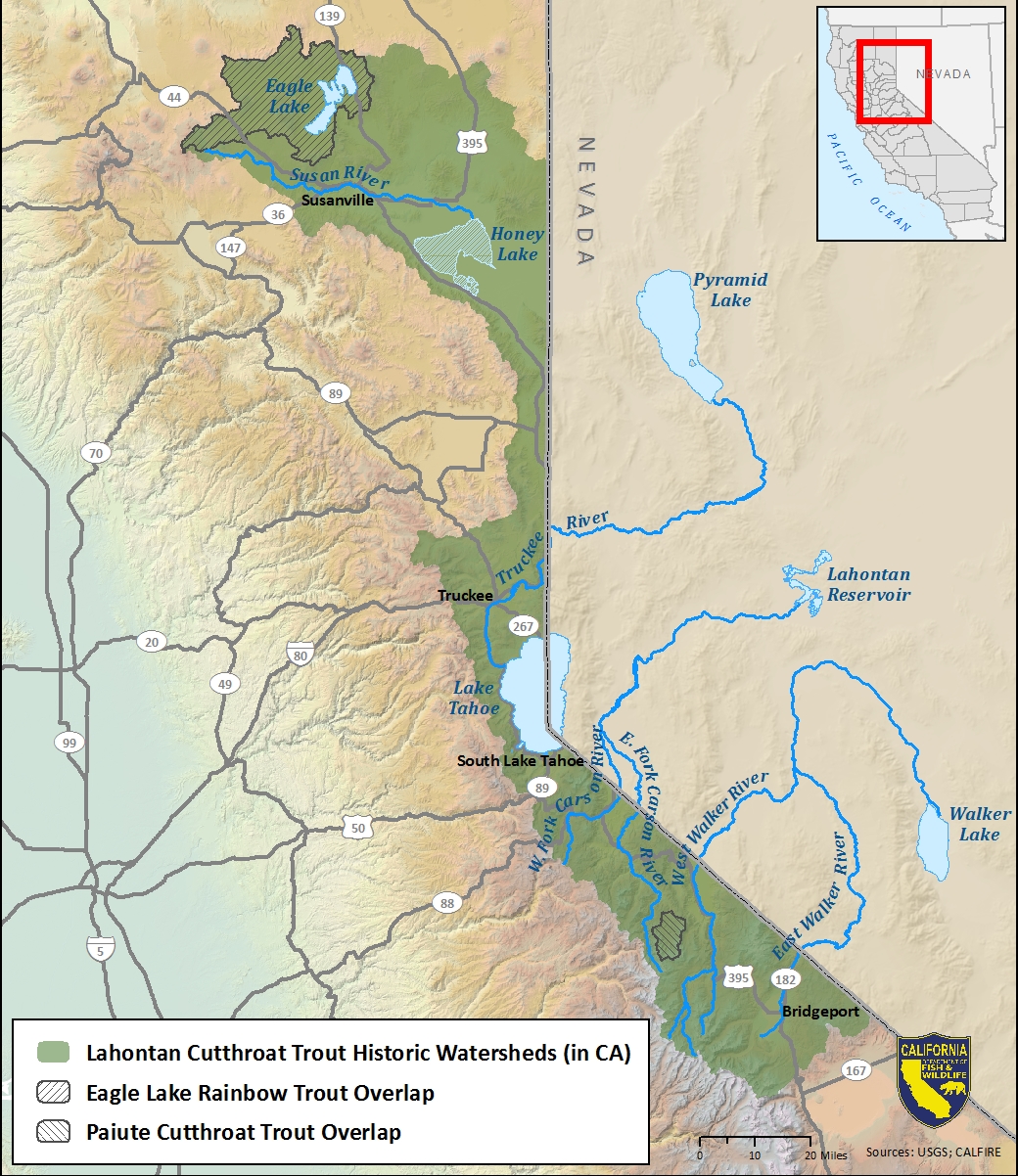
  • Historic Range: Lahontan Basin, including the Truckee River, Walker River, and Pyramid Lake.
  • Conservation Status: Federally listed as threatened; restoration projects are ongoing.
  • Threats: Habitat loss, invasive species, and water diversion.
  • More Information:
  • CDFW Lahontan Cutthroat Trout
  • CDFW Lahontan Cutthroat Trout Historic Watersheds
  • Western Native Trout Lahontan Cutthroat

Brown Trout

Brown Trout

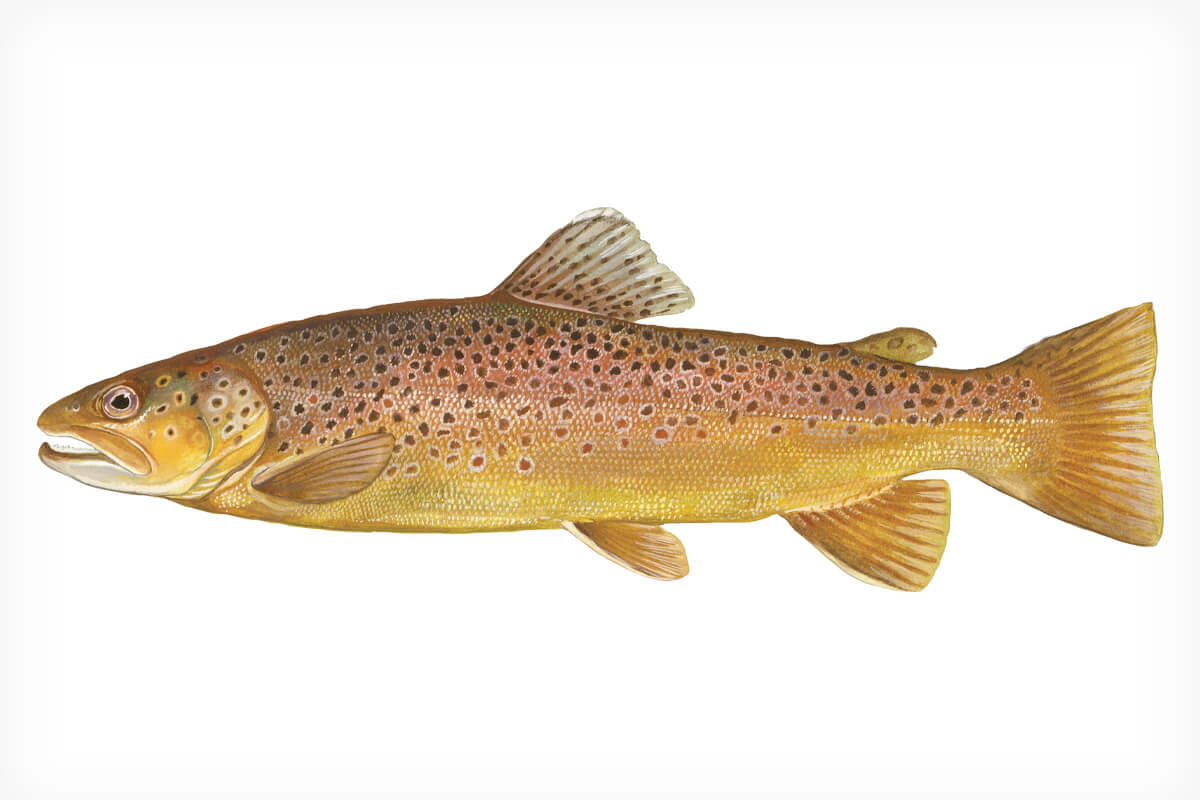
  • Description: An introduced species known for its adaptability and challenging sport fishing, often found in the Eastern Sierra’s cool streams and lakes.
  • Diet: Insects, crustaceans, and small fish.
  • Bheavior: Nocturnal feeders; opportunistic predators.
  • Current Range: Widely distributed in Eastern Sierra waters, including Crowley Lake and Mammoth Lakes Basin.
  • Habitat Preference: Cool, well-oxygenated streams and lakes.
  • Historic Range: Not native to the United States; introduced from Europe.
  • Conservation Status: Not considered threatened but monitored for competition with native fish.
  • Threats: Outcompete native trout species for resources.
  • More Information:
  • FlyFisherman.com Brown Trout
  • Always release brown trout unharmed to preserve their populations.

Rainbow Trout

Rainbow Trout

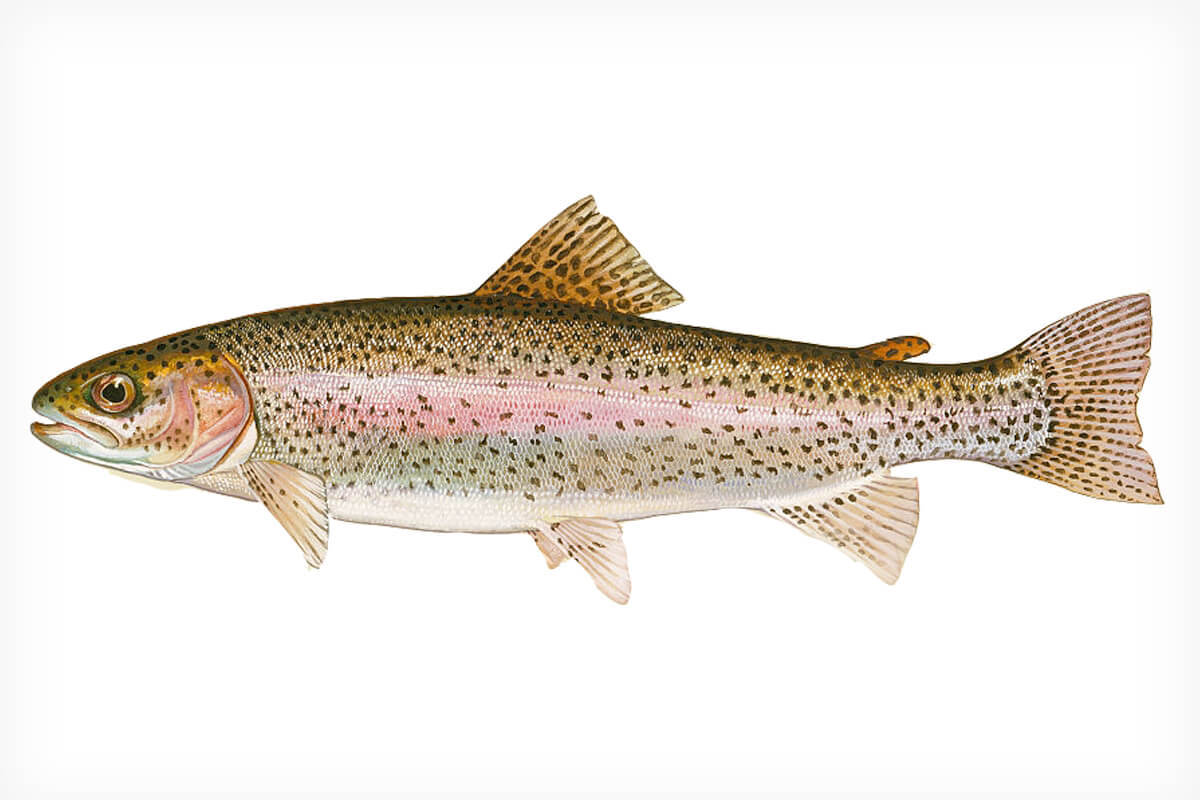
  • Description: A popular sport fish in the Eastern Sierra, known for its vibrant coloration. Many populations are hatchery-stocked.
  • Diet: Insects, crustaceans, and small fish; known for surface feeding during insect hatches.
  • Bheavior: Active throughout the day, with peak feeding at dawn and dusk.
  • Current Range: Found in most lakes, streams, and reservoirs throughout the region.
  • Habitat Preference: Thrives in a variety of water bodies, from small streams to large lakes.
  • Historic Range: Native to the Pacific Coast; introduced to the Eastern Sierra.
  • Conservation Status: Stable, with heavy reliance on hatcheries.
  • Threats: Hybridization with native trout species.
  • More Information:
  • FlyFisherman.com Rainbow Trout

Brook Trout

Brook Trout

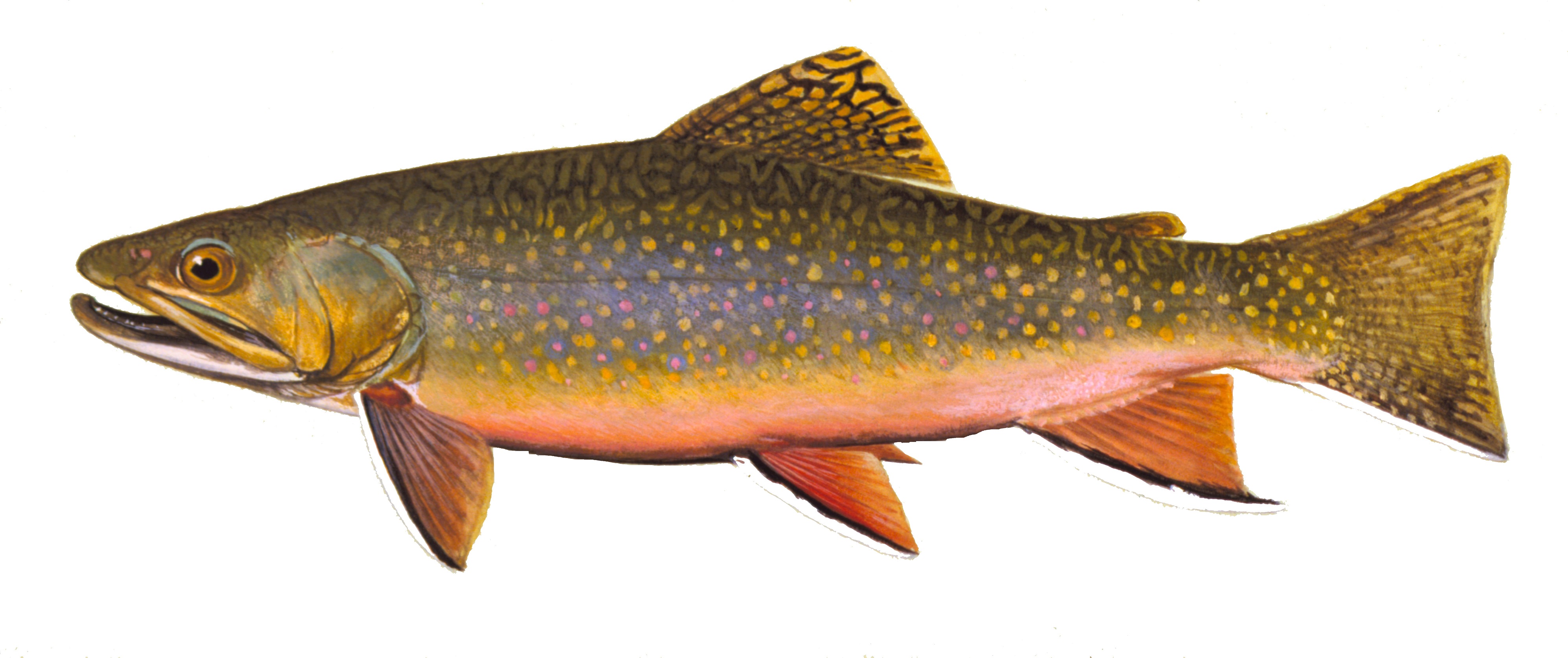
  • Description: A non-native char species introduced to the Eastern Sierra, thriving in high-altitude streams and lakes.
  • Diet: Aquatic insects, small crustaceans, and occasionally small fish.
  • Bheavior: Spawns in gravel beds of shallow streams during fall.
  • Current Range: Found in colder waters, often above 9,000 feet in the Sierra Nevada.
  • Habitat Preference: Prefers cold, clear headwaters and high-altitude lakes.
  • Historic Range: Native to the eastern United States; introduced to the West.
  • Conservation Status: Stable but monitored due to competition with native trout.
  • Threats: Compete with native trout for food and habitat.
  • More Information:
  • CDFW Brook Trout
  • Fisherman are encouraged to keep brooki trout to keep their non-native population in check

Owens Suckerfish

Owens Suckerfish

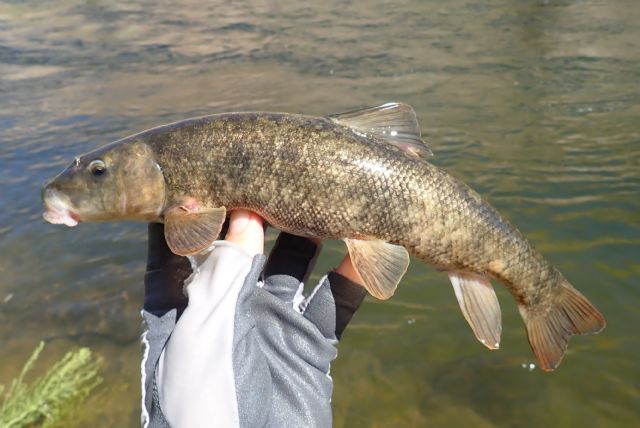
  • Description: A medium-sized, bottom-feeding fish endemic to the Owens Valley, known for its long, rounded body and sucker mouth used for feeding.
  • Diet: Consumes algae, detritus, and small invertebrates found in streambeds.
  • Behavior: Spawns during late spring to early summer in shallow, gravel-lined streams.
  • Current Range: Found in the Owens River and associated tributaries near Bishop, California including Crowley Lake.
  • Habitat Preference:
  • Historic Range: Owens Basin, including its tributaries and spring-fed habitats.
  • Conservation Status: Species of Least Concern, though populations are monitored.
  • Threats: Habitat degradation from water diversion, urban development, and pollution; competition from invasive species.
  • More Information:
  • USGS Owens River Study
  • UC Davis Owens Sucker

Owens Pupfish

Owens Pupfish

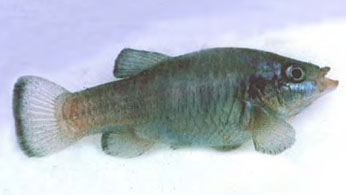
  • Description: The Owens Pupfish is a small, colorful fish endemic to the Owens Valley. Males exhibit bright blue and green hues during the breeding season, while females are more subdued in coloration.
  • Diet: Feeds on algae, small invertebrates, and detritus.
  • Behavior: Highly adaptable; can survive in extreme temperatures and salinity levels. Breeds in shallow, vegetated waters during spring and summer.
  • Current Range: Restricted to small, isolated habitats within the Owens Valley, including spring-fed ponds and irrigation ditches.
  • Habitat Preference:
  • Historic Range: Originally widespread throughout the Owens River Basin.
  • Conservation Status: Critically Endangered due to habitat loss and competition from invasive species.
  • Threats: Habitat alteration from water diversion, urbanization, and agriculture; predation by introduced fish species.
  • More Information:
  • CDFW Owens Pupfish
  • USFWS Owens Pupfish

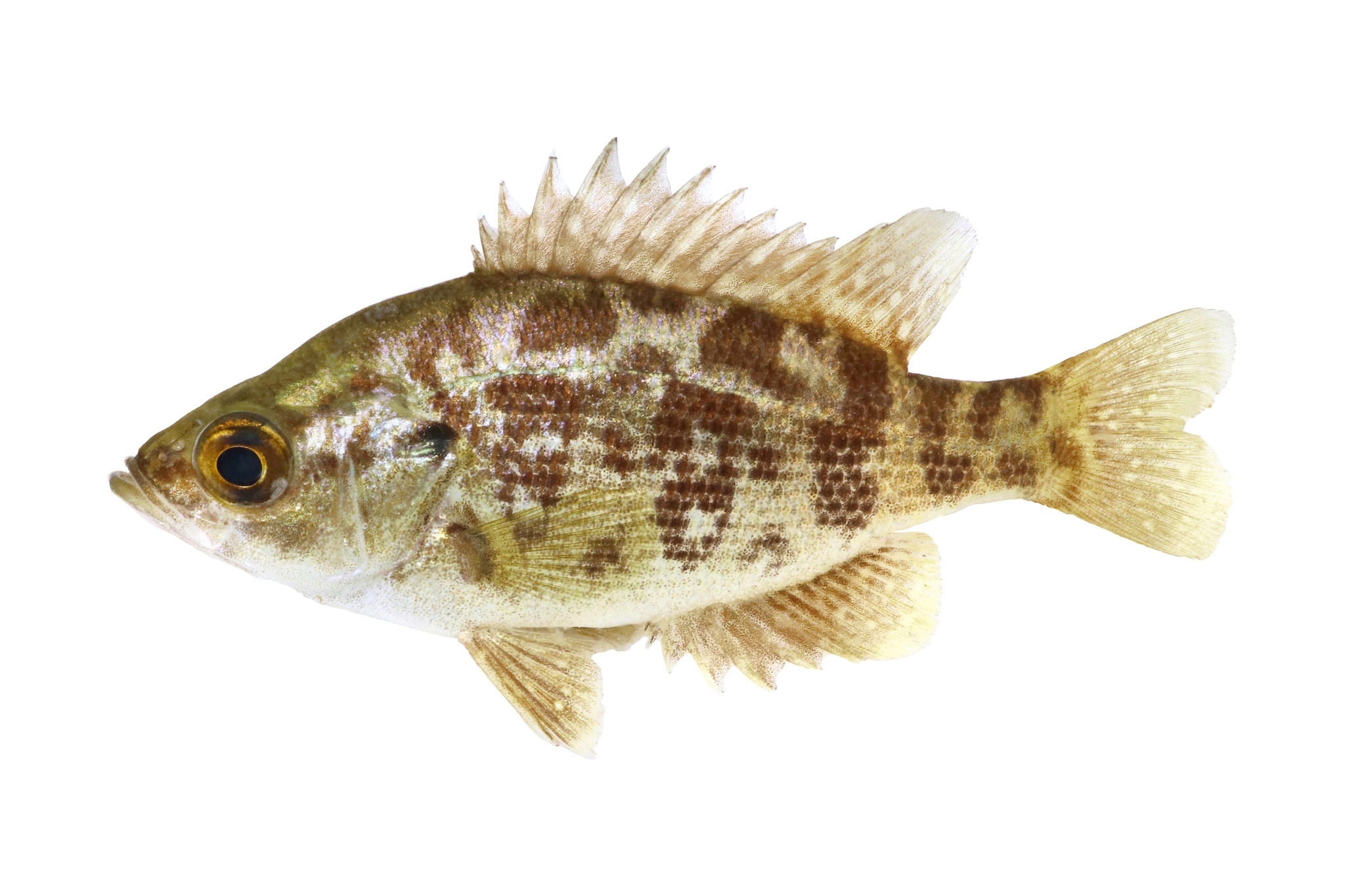
Sacramento Perch

Sacramento Perch

  • Description: The Sacramento Perch is a native freshwater sunfish with a deep, laterally compressed body and distinctive vertical stripes.
  • Diet: Feeds on aquatic insects, crustaceans, and small fish.
  • Behavior: Known for its adaptability to varying environmental conditions; nests in shallow waters with vegetation during the breeding season.
  • Current Range: Found in select reservoirs and lakes across California, including artificial and isolated water bodies such as Crowley Lake.
  • Habitat Preference: Prefers warm, slow-moving waters with plenty of submerged vegetation.
  • Historic Range: Originally widespread in the Central Valley and Sacramento-San Joaquin Delta.
  • Conservation Status: Near Threatened due to habitat loss and competition from invasive fish species.
  • Threats: Habitat alteration, predation, and competition with introduced species such as bass and bluegill.
  • UC Davis Sacramento Perch
  • CADFW Sacramento Perch

Bass

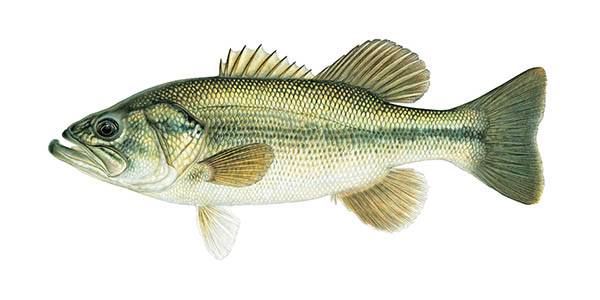
Largemouth Bass

  • Description: Largemouth and smallmouth bass are non-native, warm-water fish species introduced to the Eastern Sierra known for their aggressive strikes and fishing ability.
  • Diet: Opportunistic feeders; consume smaller fish, crayfish, aquatic insects, and frogs.
  • Beheavior: Bass are ambush predators, often hiding in submerged vegetation or structures. They spawn in late spring to early summer in shallow, warm waters.
  • Current Range: Present in the lower Owens River, Buckley Ponds, Pleasant Valley Reservoir, and other warm-water habitats near Bishop, California.
  • Habitat Preference: Prefers slow-moving or still waters with abundant aquatic vegetation and cover such as submerged logs or rocks.
  • Historic Range: Not native to the region; introduced to enhance sport fishing opportunities.
  • Conservation Status: Not considered threatened or endangered, but their presence impacts native fish species through competition and predation.
  • Threats: Habitat alteration, overfishing, and competition with other invasive species can affect population stability.
  • More Information:
  • Western Outdoor News Owens Valley Bass Fishing

Resources