Fish can be at depths from the surface to about 12 feet; choose the sinking line accordingly
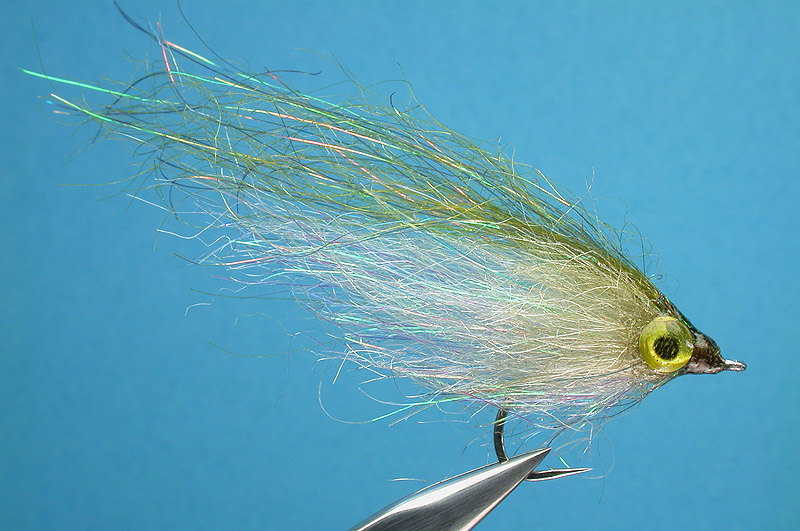
Use sinking lines with 2x to 3x tippets for streamers
Use floating lines with a 9-foot leader and indicator for nymphs and midges, with a 5x or 6x tippet
5wt to 7wt rod is recommended
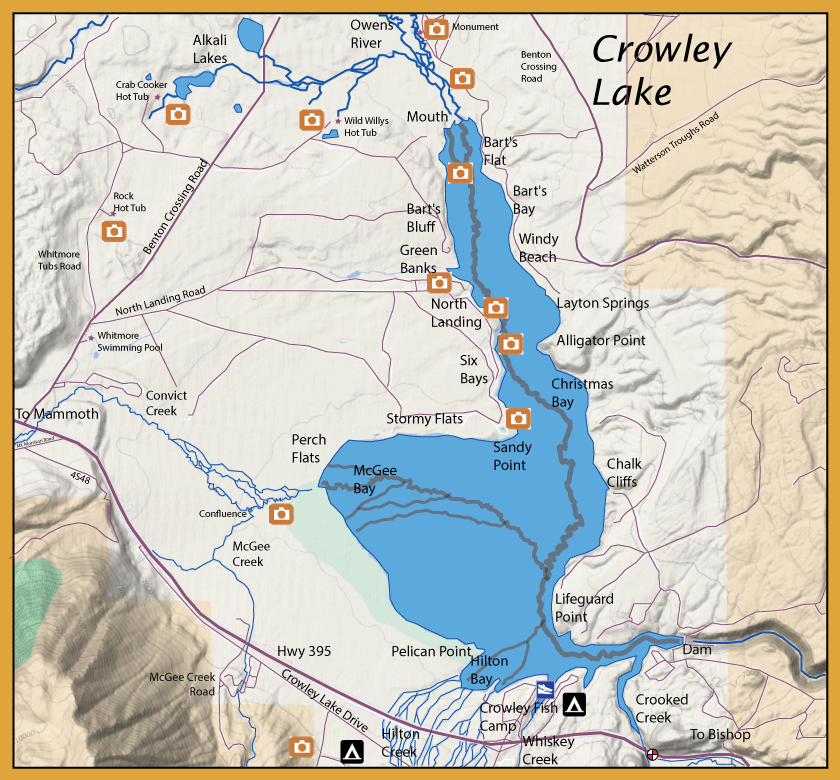
As for finding fish the old-fashioned way, look for shelves and structure in the shallower water at the start of the season, then look for cold water coming into the lake
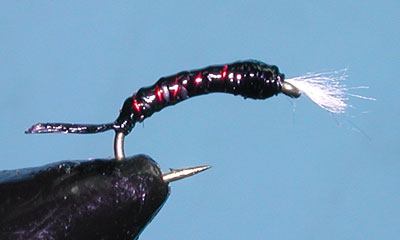
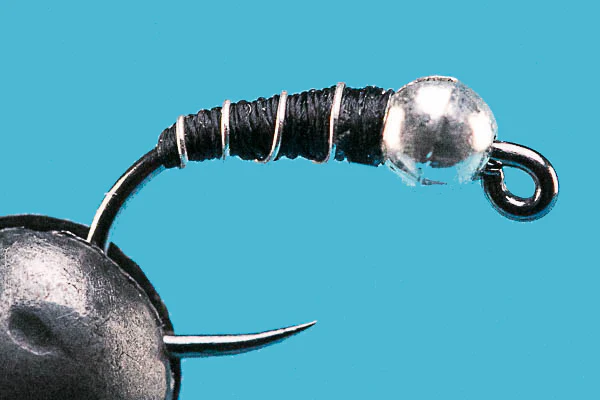
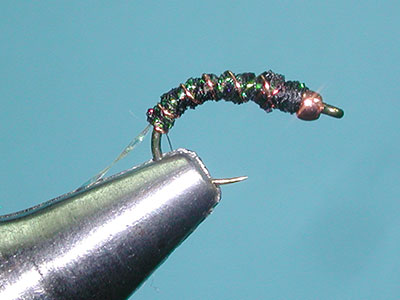
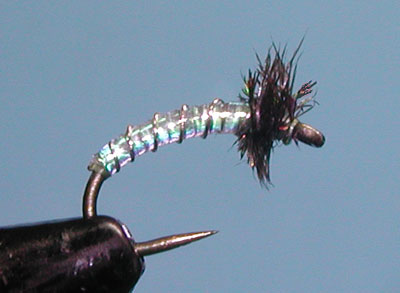
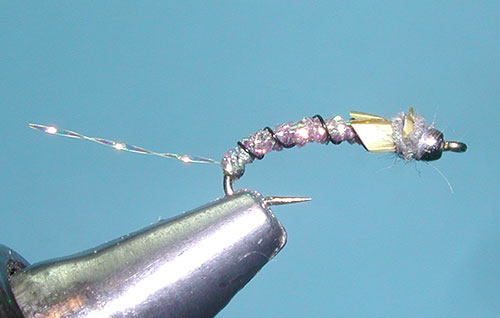
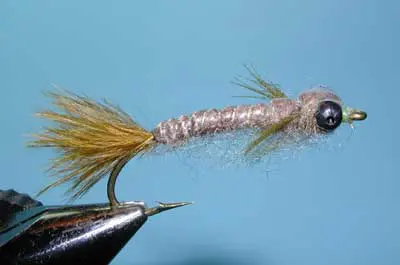
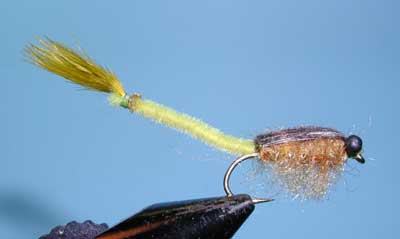
Fly fishing at Crowley Lake often uses Chironomid-type midges, such as Zebra midge, with an indicator at 8-11 feet depth
Local guides developed a technique using a 2-3 midge rig with midges like Disco or Zebra, sizes 14-22, spaced 6 inches apart, fished about 6 inches from the bottom
Use a hemostat on the dropper fly to determine proper depth and adjust the indicator accordingly
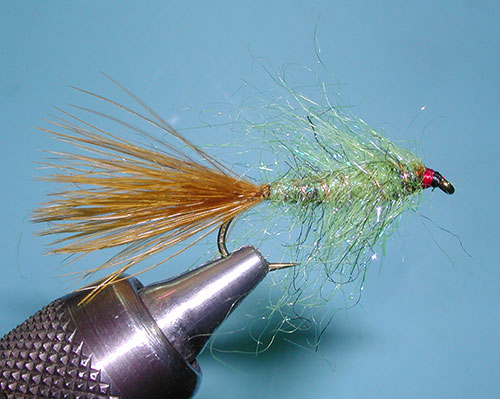
Guides often use a larva imitation as the dropper with a bead head pupa on top
During full hatches, switch to a bead-head pupa for the dropper and a bead head emerger on top
If one fly is getting hits, use both of the same type
A strike indicator helps control depth and indicate strikes
No movement is applied to the fly, as movement deters trout from striking the midge
A split shot 12 inches above the top fly helps maintain leader tension
Many guides use an 8-foot 3X Fluorocarbon leader with a 12-inch 4X or 5X Fluorocarbon tippet for faster sinking and more invisible connection
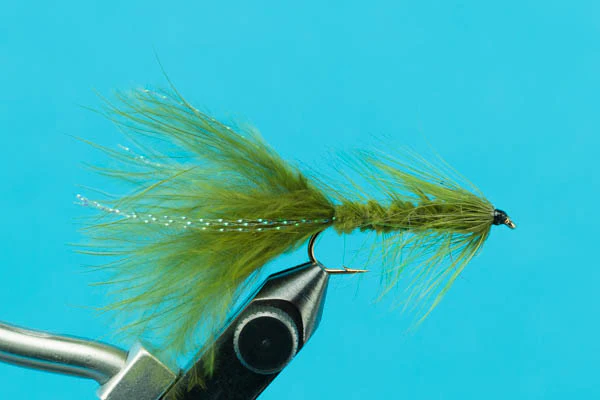
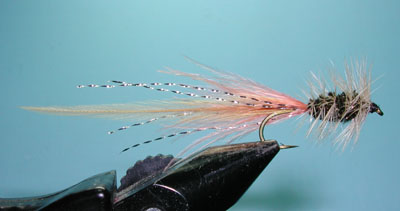
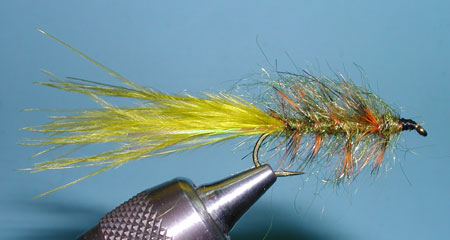
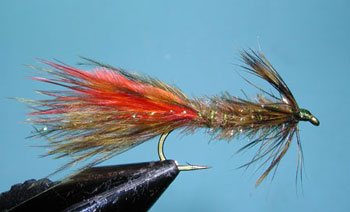
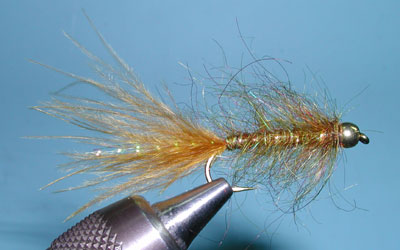
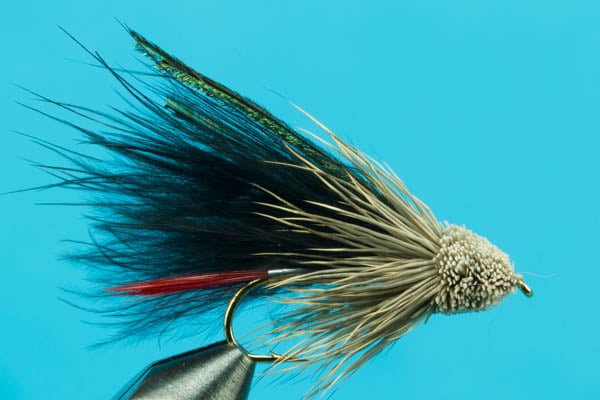
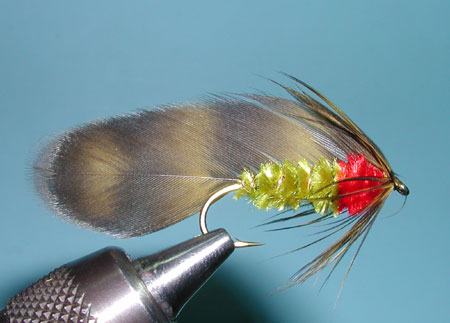
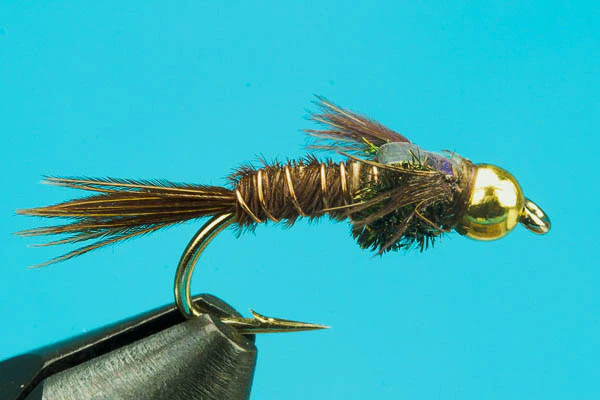
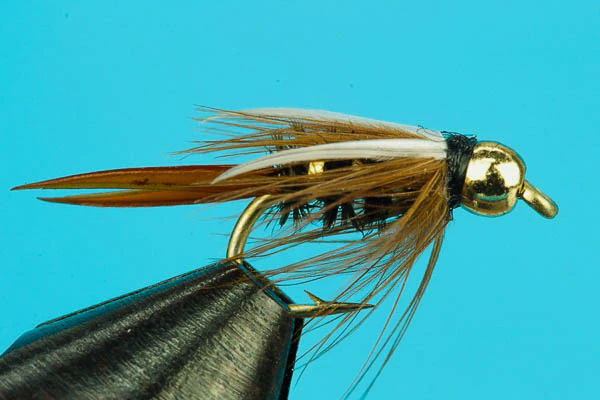
Bugger or leech patterns trailed by a Beaded Nymph like a Prince Nymph work well for trolling/stripping.
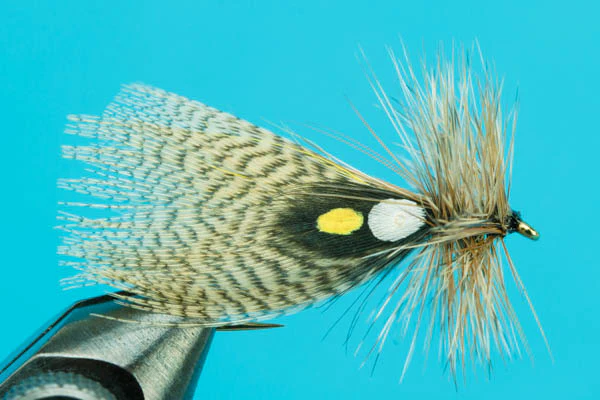
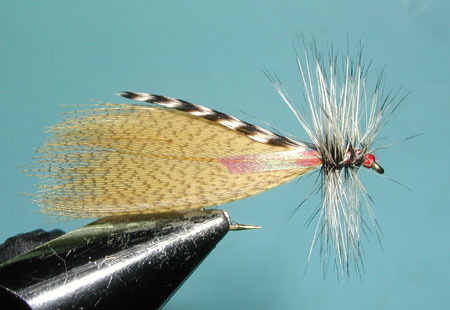
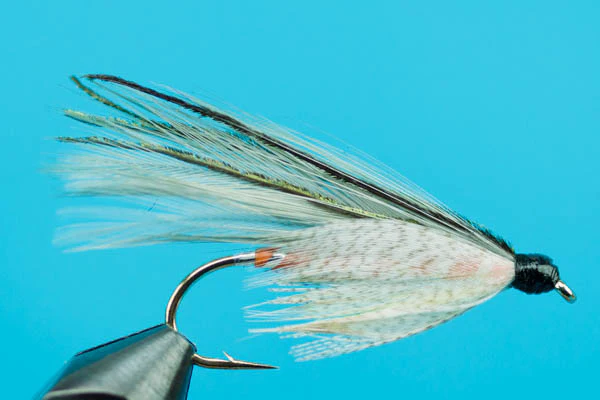
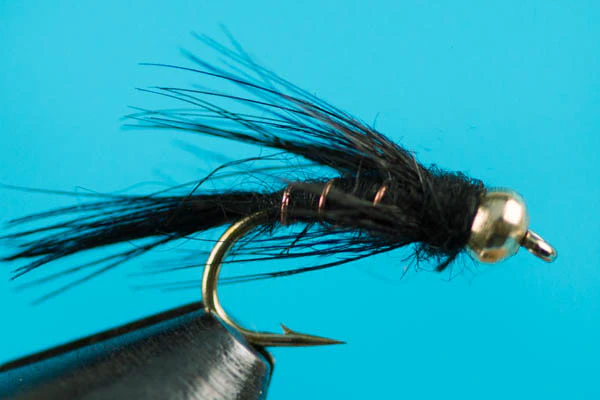
During mid-summer, trout chasing perch fry respond well to streamer patterns like the Hornberg and Mohair Leech